Read a full day, not a still image
A canal photograph captures a fraction of the place’s routine. The same frontage may accommodate morning deliveries, daytime sightseeing boats and late conversations on a bridge. None of that makes the setting unsuitable. It means that “peaceful waterside location” needs translating into particular hours and rooms. Ask which bedrooms face the canal, which face a courtyard and whether the provider can describe normal weekday and weekend activity without promising silence.
Timing matters as much as location. School holidays, outdoor dining periods, festivals and nearby works can change the immediate environment. Ask specifically about your dates and check official city event information where relevant. A quiet visit in winter does not establish summer conditions. Conversely, a busy public quay may settle early while an apparently secluded courtyard transmits neighbouring voices. Neither water nor distance from a main road is a dependable acoustic guarantee.
Put ventilation beside sound control
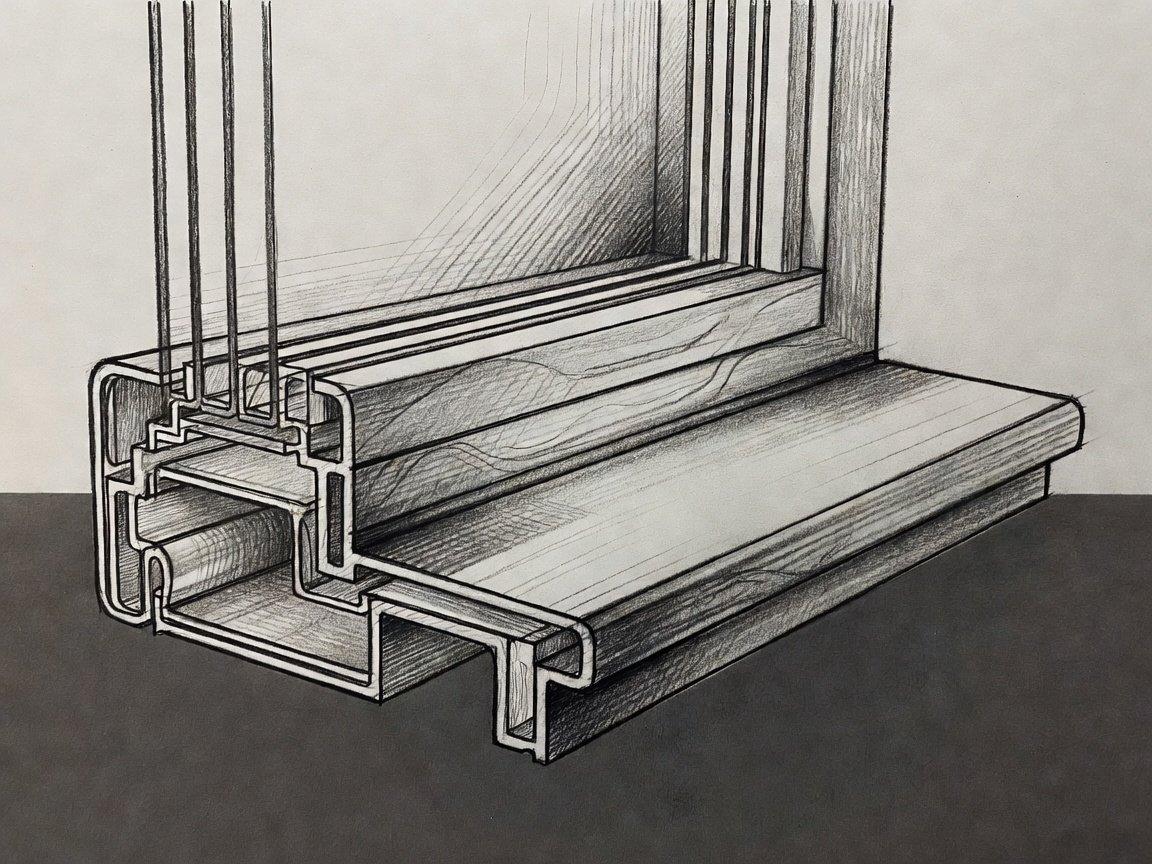
Ask what keeps sleeping rooms comfortable when the windows are closed. Air conditioning, mechanical ventilation and portable fans are different provisions. A fan moves air but does not lower the room’s temperature in the same way as cooling equipment. Historic-building restrictions may affect what can be installed, but they do not answer whether a room will suit your needs. Request the actual equipment, the rooms it serves and any operating restrictions.
- Closed-window quiet
- A room may reduce outside sound effectively only when its glazing is shut.
- Overnight comfort
- The room also needs a suitable way to manage air and temperature while people sleep.
Privacy creates another trade-off. A low front room may sit close to a public footway. Curtains can screen passers-by while reducing daylight and the advertised view. Ask for a photograph looking out from normal seated height, not only a wide-angle picture taken beside the glass. Check whether blinds offer privacy during the day and darkness at night. In attic rooms, roof glazing and early summer light may matter more than the canal-facing windows.
Separate a view from access rights
“Waterfront” does not necessarily provide a terrace, landing or permission to board a boat outside. The bank may be public, the mooring private or the access shared. If outdoor use is important, ask which areas form part of the rental, when they can be used and whether furniture is included. Never infer swimming, fishing, boating or mooring rights from a waterside photograph. Local rules and the property agreement both need checking.
For children, pets and anyone at risk of falling, establish the route from the door to an unguarded edge. Request current photographs of terraces, gates, railings and steps. Ask how doors and windows open and whether locks can be operated appropriately. A description cannot replace supervision or a competent safety assessment. If the answer is vague, choose a property with an arrangement you can understand rather than assuming a temporary barrier will solve the problem.
Walk the arrival route on paper
Canal-side streets can have limited vehicle access, narrow footways or bridges between the drop-off point and the entrance. Ask where a licensed taxi can stop and how far luggage must be carried, including any steps or uneven paving. In Venice, a water-taxi arrival and an arrival by vaporetto involve different routes, permissions and practical arrangements. A door on the water is not automatically an authorised or usable private landing.
Inside the home, ask where wet coats, umbrellas and shoes can dry without blocking circulation. For a longer stay, find out how laundry dries when outdoor conditions are damp. Storage and ventilation matter more than atmospheric language about waterside living. If the property includes a lower-ground room, enquire about its ventilation, daylight and any recent water-ingress issues. Do not assume all canal houses share a damp problem, or that a recent paint finish proves they do not.
Know who responds after arrival
Get a local contact procedure for faults, access problems and urgent building issues. Establish where emergency instructions are kept and how to leave the property safely. Ask about working smoke alarms and any carbon monoxide alarms appropriate to the installed appliances. For immediate danger, use the destination’s emergency services rather than waiting for a host’s message. The European emergency number is 112; follow local instructions and confirm destination-specific guidance before travelling.
- Identify the sleeping room, its outlook and its ventilation.
- Confirm private outdoor boundaries and water-access permissions.
- Request the exact luggage route from a practical drop-off point.
- Keep emergency instructions available offline.